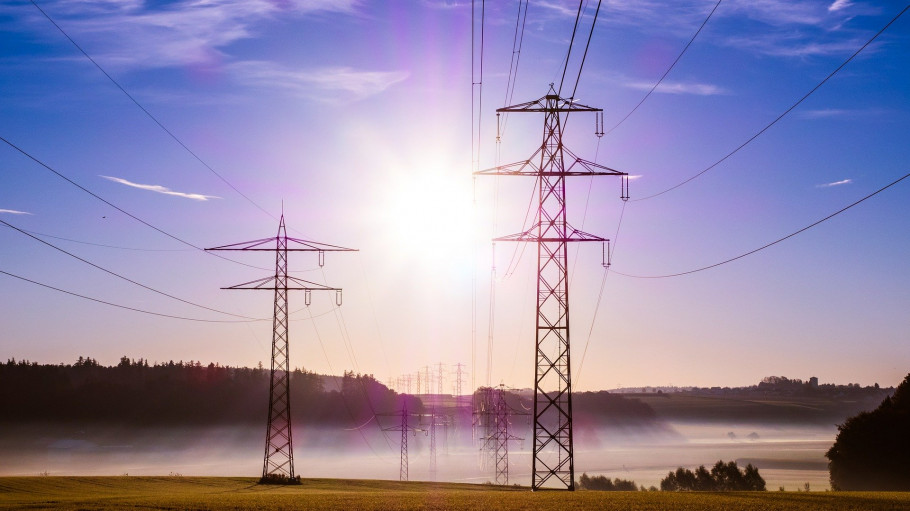
The production of steel is a highly energy-intensive process, whether it is through the 'primary' production route using a blast furnace and basic oxygen furnace, or via the 'secondary' route in electric arc furnaces.
The primary route, which generally produces new steel from virgin raw materials, presently relies primarily on coking coal, which is both the reductant and a major source of energy to melt the iron ore.
The secondary route, which is generally used to produce steel from scrap, uses electricity to melt the metal.
As such, both routes require significant amounts of energy of one form or another. However, European producers have been refining their processes and, since the 1960s, have cut energy demand by 50%, alongside a similar reduction in greenhouse gas emissions.
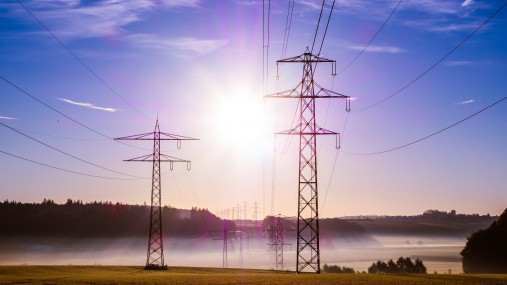
The European steel industry's transition to a low or carbon-neutral future will have a large impact on energy supply, because new technologies will require even larger quantities to power new, carbon-lean processes.
This energy transition being as expected, EU energy policy is even more important than before - to ensure that the European steel industry has access to sustainable, affordable energy.
Ahead of today’s European Parliament vote on the Carbon Border Adjustment Mechanism (CBAM), Europe’s steel industry is calling on MEPs to close remaining loopholes and secure a level playing field for European steelmakers investing billions in low-carbon production.
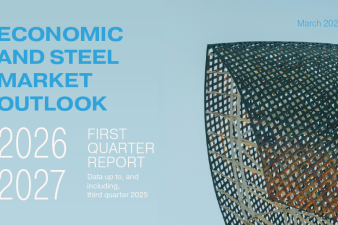
First quarter 2026 report. Data up to, and including, third quarter 2025
Energy-intensive industries (EIIs) provide direct employment to around 2.6 million people in the EU and represent the foundations of critical and strategic value chains for the EU economy and society. The current economic and energy outlook of the European Union is making investments in electrification and the continued business operation of our sectors at serious risk, should the energy-cost challenge not be solved.
The European Steel Association (EUROFER)
172 Avenue de Cortenbergh
1000 Brussels
Belgium
Email: mail@eurofer.eu
Phone: +32 (0) 2 738 79 20