European Steel in Figures 2026
European Steel in Figures 2026
Downloads and links
Recent updates
The latest edition of European Steel in Figures, which gives a snapshot of the European steel market in 2025, paints a mixed picture for the industry. While steel demand showed a modest recovery after three consecutive years of decline, European steel production fell to a record low and imports reached an unprecedented share of the market.
The figures published by the European Steel Association (EUROFER) highlight a growing challenge for Europe's steel industry: ensuring that future demand supports European production, investment and jobs rather than increasing dependence on imports.
The findings underline the importance of implementing the EU's European Steel and Metals Action Plan to strengthen competitiveness, support industrial decarbonisation and ensure that Europe retains the steel production capacity needed for its economic security, resilience and clean transition.
Commenting on the publication, Axel Eggert, Director General of EUROFER, said: "Europe needs steel for mobility, construction, energy infrastructure and defence, yet European steel production is under threat. Demand is recovering, but an increasing share of that demand is being met by imports. The EU needs to deliver effective trade measures, competitive energy prices and the right investment conditions so that the steel needed for Europe's future is produced in Europe. Putting the new steel trade measure in place by 1 July is a first step towards regaining 34 million tonnes of steel production and capacity utilisation lost since 2019."
Five figures that define the European steel market in 2025
1/ 125.8 million tonnes: Europe is producing less steel than ever
EU crude steel production fell by 2.9% in 2025 to its lowest level on record, almost 60 million tonnes below pre-2008 financial crisis levels.
2/ 134.4 million tonnes: steel demand shows modest return after three years of decline
Apparent steel consumption grew by 4.4% in 2025 in the EU, ending a prolonged downturn, although volumes remain well below pre-crisis levels.
3/ 30%: The recovery is increasingly benefiting imports
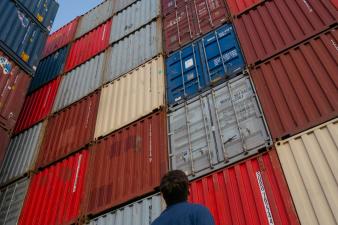
Imports of semi-finished and finished steel products rose by 14% year-on-year, reaching a record share of around 30% of EU steel consumption.
4/ 293,000 jobs: steel remains a key European employer
The European steel industry directly employs around 293,000 people and supports over 2.5 million more jobs across European manufacturing value chains.
5/ €152 billion: steel continues to underpin Europe's industrial economy
The sector generates approximately €152 billion in gross value added and supplies the materials needed for construction, automotive manufacturing, energy infrastructure, defence and clean technologies.
Download this publication or visit associated links
Brussels, 4 June 2026: One year after the United States imposed 50% tariffs on steel imports, European steel exports to the U.S. are down by one-third according to latest figures by the European Steel Association (EUROFER).
Industry welcomes the European Commission’s work on the development of a regulatory framework for CO₂ transport infrastructure, which will be critical to achieving the EU’s climate objectives and enabling the scale-up of Carbon Capture, Utilisation and Storage (CCUS) as part of an integrated value chain, including emitters, transport, storage operators, and CO2 offtakes for use in products.
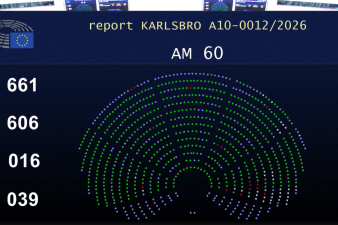
Brussels, 19 May 2026: Europe’s steel industry has welcomed today’s approval by the European Parliament of the new EU steel trade measure, calling it an important step towards addressing the growing pressures facing the sector from record imports, global overcapacity and rising international protectionism.
The European Steel Association (EUROFER)
172 Avenue de Cortenbergh
1000 Brussels
Belgium
Email: mail@eurofer.eu
Phone: +32 (0) 2 738 79 20